Game Breakdown
ARC Raiders Is Not an Extraction Shooter — A Deeper Look
ARC Raiders uses extraction mechanics, but at its core it doesn’t behave like an extraction shooter.
Oh, it’s an extraction shooter
There’s a growing conversation around ARC Raiders that challenges a label most people apply to it without thinking twice. On the surface, ARC Raiders looks like an extraction shooter. You drop into a hostile world, fight enemies, collect loot, and try to extract before things go wrong. That loop feels familiar, almost expected.
I made this article to make a compelling argument: ARC Raiders uses extraction mechanics, but it doesn’t behave like an extraction shooter at its core. And once you start paying attention, it becomes hard to disagree.
This isn’t a semantic argument. It’s about understanding what the game is actually trying to make the player feel, how it wants you to behave moment to moment, and what kind of decisions it consistently rewards.
What We Usually Mean by “Extraction Shooter”
To understand why ARC Raiders feels different, it helps to first define what players normally expect from the extraction genre.

Traditional extraction shooters are built around fear of loss. Every decision is shaped by the possibility that one mistake can erase hours of progress. Because of that, the genre naturally leans toward slow, careful play.
Players are encouraged to move cautiously, avoid unnecessary fights, gather information, and only engage when the odds are clearly in their favor. Combat is often optional, sometimes even discouraged. The smartest play is usually the quiet one.
In these games, tension comes from restraint.
The question players keep asking is:
“Is this fight worth the risk?”
Over time, extraction shooters train players to minimize engagement, optimize routes, and treat survival as a long-term investment. They often feel closer to survival simulations than action games.
Where ARC Raiders Breaks the Mold
ARC Raiders borrows the structure of extraction, but it quietly rejects its underlying philosophy.
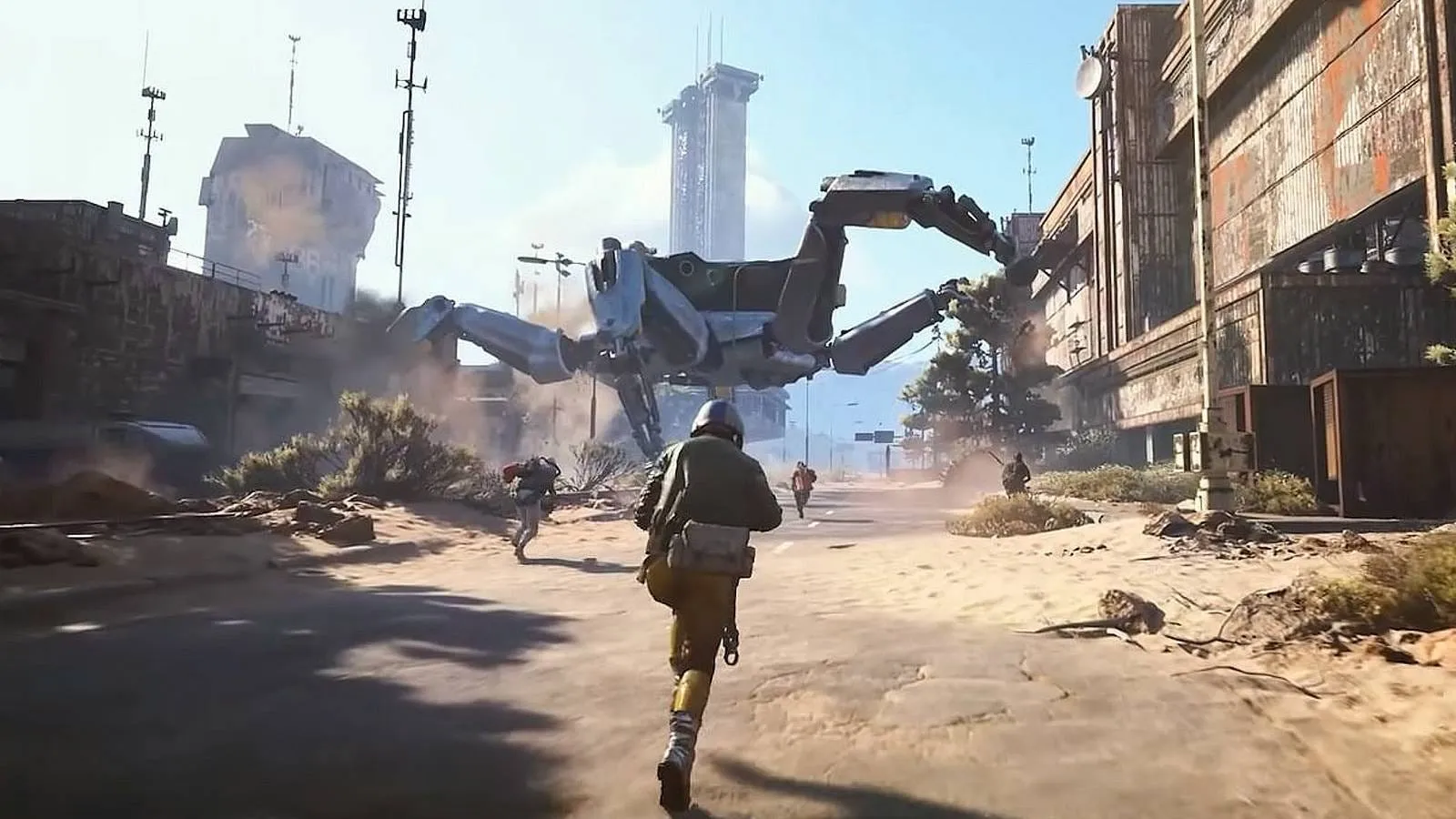
Instead of designing around avoidance, the game consistently pulls players toward engagement. This isn’t subtle, and it isn’t accidental. It shows up everywhere — in combat, in level design, and in how encounters unfold.
The result is a game that looks like an extraction shooter but plays very differently.
Combat Is the Core Experience, not a Risk to Avoid
In ARC Raiders, combat is not something you try to escape. It’s something the game expects you to deal with constantly.
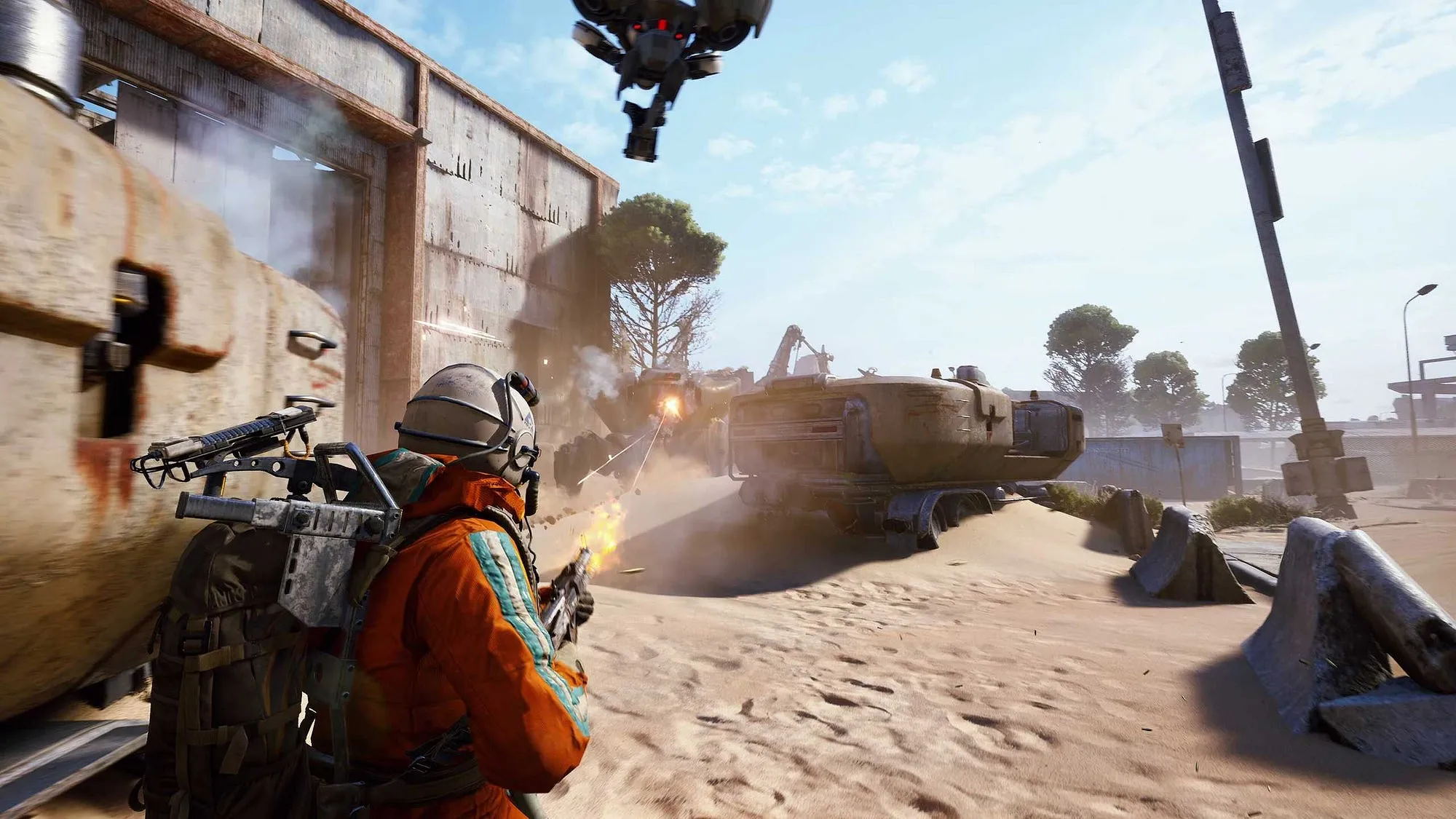
AI machines are aggressive and difficult to ignore. Objectives are placed in exposed, contested spaces. Enemy players aren’t a late-game surprise — they’re part of the match from the very beginning.
Encounters are frequent, messy, and often long-lasting. You don’t spend most of your time sneaking between points of interest. You spend it reacting, fighting, repositioning, and surviving moment by moment.
Because of this, the core question shifts.
The game isn’t asking, “Should I fight or avoid?”
It’s asking, “How do I survive this fight and keep going?”
That single shift changes the entire feel of the genre.
PvPvE Built for Collision, Not Separation
Many extraction shooters use PvPvE in a controlled way. AI enemies exist to slow players down or create light pressure, while human players remain the real threat. The systems are designed to keep those layers somewhat separate.
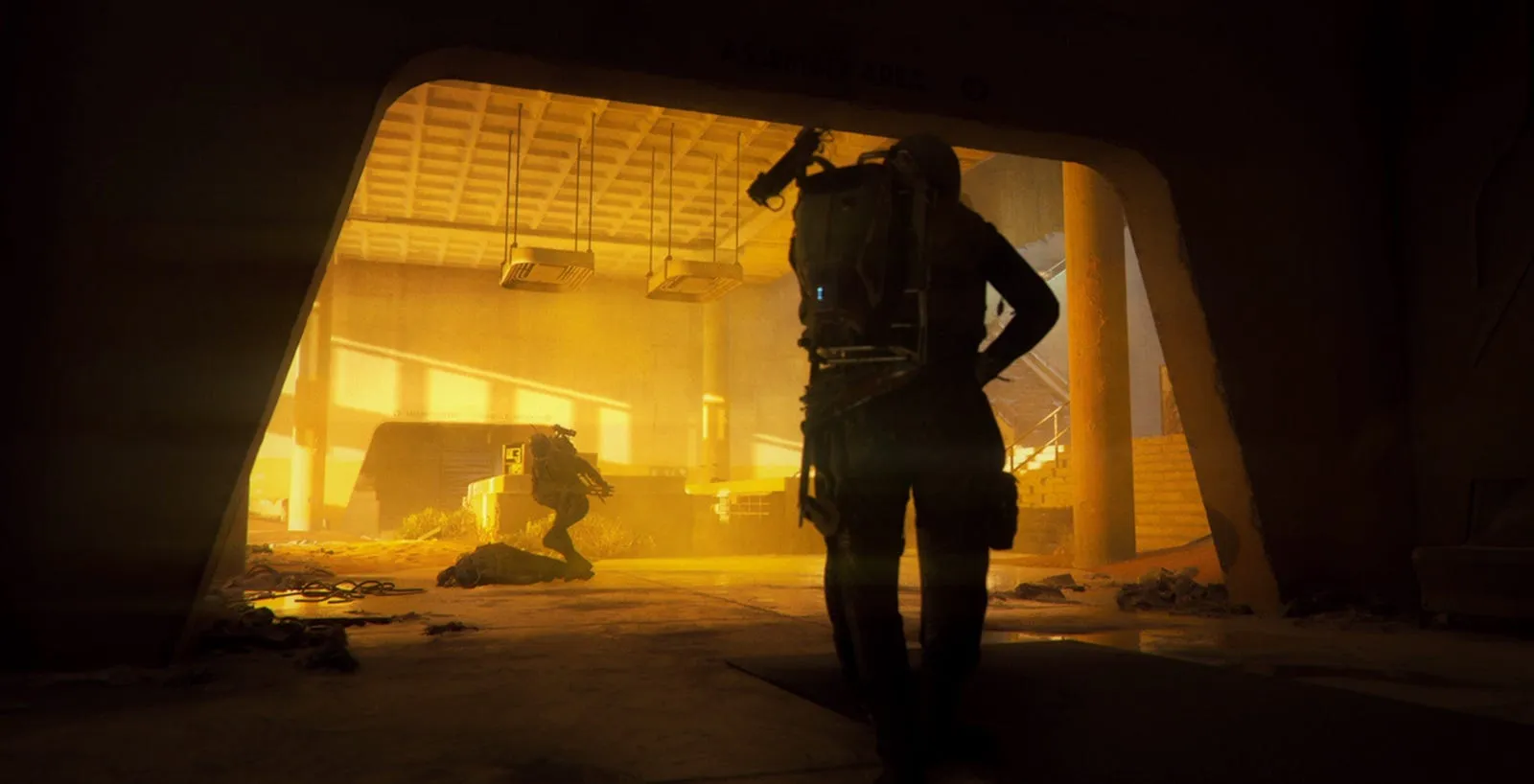
ARC Raiders does the opposite.
Here, AI and players actively collide. Fighting machines draws attention. Player combat attracts more enemies. Environmental threats overlap both at the same time. Instead of isolating danger, the game stacks it.
One fight often leads to another. A small skirmish can escalate into chaos as machines, players, and environmental hazards pile on top of each other. Encounters don’t resolve cleanly — they spiral.
This creates unpredictable, emergent situations that feel closer to action set-pieces than carefully managed survival scenarios.
A World That Pulls You Into Danger
The world of ARC Raiders rarely offers safe paths.
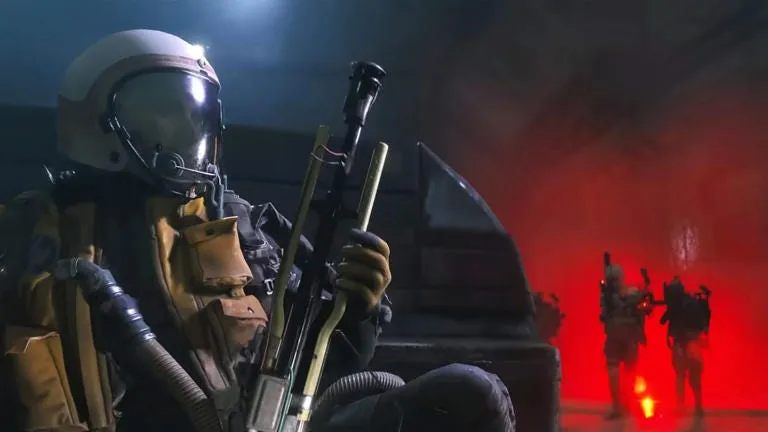
High-value loot sits in dangerous locations. Mission objectives are exposed and contested. Even extraction doesn’t feel like a quiet end-of-match release — it often carries the same level of pressure as the rest of the run.
The environment isn’t designed to reward slow, stealthy avoidance. It rewards quick thinking, adaptation, and the ability to handle pressure when things go wrong.
Because of this, the game feels less like a survival test and more like a PvPvE action shooter where danger is constant and unavoidable.
Risk Is Spread Across the Entire Match
Classic extraction shooters tend to concentrate risk. The early game is often quiet. The mid-game builds tension. Extraction itself becomes the biggest spike in danger.
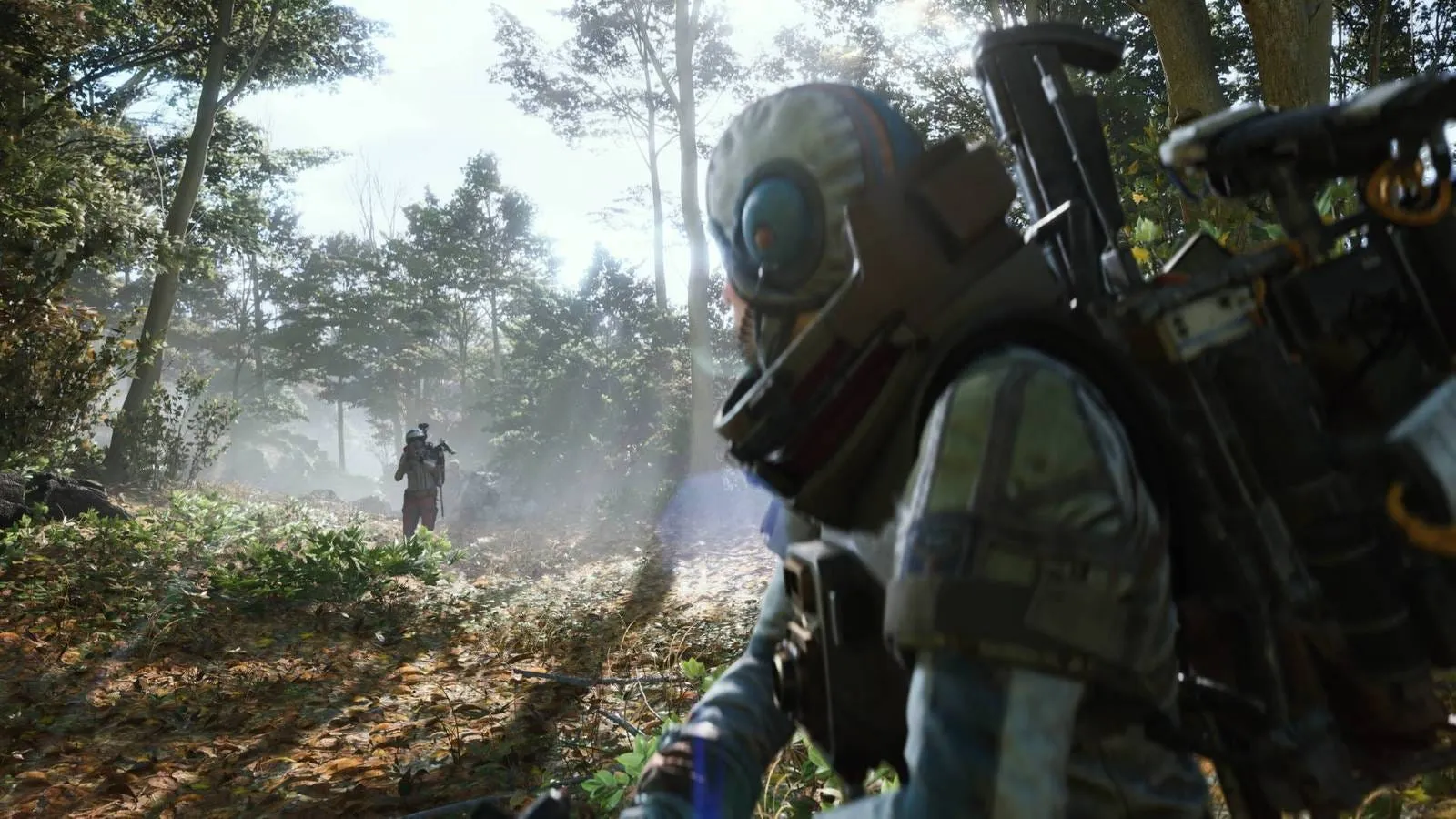
ARC Raiders flattens that curve.
Risk is present from the start. Early combat is common. Mid-game escalation is expected. Late-game doesn’t suddenly shift gears — it simply continues the same intensity.
Instead of a slow burn followed by a climax, the game delivers continuous pressure. That rhythm feels far closer to action games than to traditional extraction loops.
Player Psychology: Why It Feels So Different
Because of these design choices, ARC Raiders creates a very different mindset in players.

In traditional extraction shooters, players slow down. They plan routes, gather information, and protect their investment. Mistakes feel expensive, and loss feels personal.
In ARC Raiders, players stay mobile. They react instead of planning far ahead. Chaos is expected, not feared. Loss becomes part of the flow rather than something to avoid at all costs.
You’re not carefully preserving a strategy.
You’re responding to whatever the game throws at you next.
That change in psychology alone is enough to pull ARC Raiders out of the classic extraction category.
So What Is ARC Raiders, Really?
Rather than a pure extraction shooter, ARC Raiders fits better as a PvPvE action shooter that uses extraction mechanics as structure.
Extraction isn’t the main goal.
It’s the framing device.
The real experience lives in combat flow, encounter chaining, environmental pressure, and the stories that emerge when things spiral out of control.
Why This Distinction Matters
For players, understanding this hybrid identity helps set expectations. If you approach ARC Raiders expecting slow, stealth-driven extraction gameplay, the game may feel frustrating — not because it’s poorly designed, but because it’s aiming for something else entirely.
For designers, ARC Raiders is a strong reminder that genre mechanics are tools, not rules. Extraction systems don’t have to suppress action. Risk doesn’t always need to push players toward avoidance. With the right intent, those same systems can amplify chaos instead of limiting it.
Conclusion
ARC Raiders isn’t trying to redefine extraction shooters by copying them more perfectly. It’s redefining them by ignoring some of their core assumptions.
By prioritizing combat, pressure, and continuous engagement, the game becomes something else — a hybrid experience that uses extraction mechanics to support action rather than constrain it.
Calling ARC Raiders “just an extraction shooter” misses the point.
It’s not about escaping danger.
It’s about surviving through it.